
Multimodal vs. Traditional School Transportation: Which Is Better For Your District in 2025?
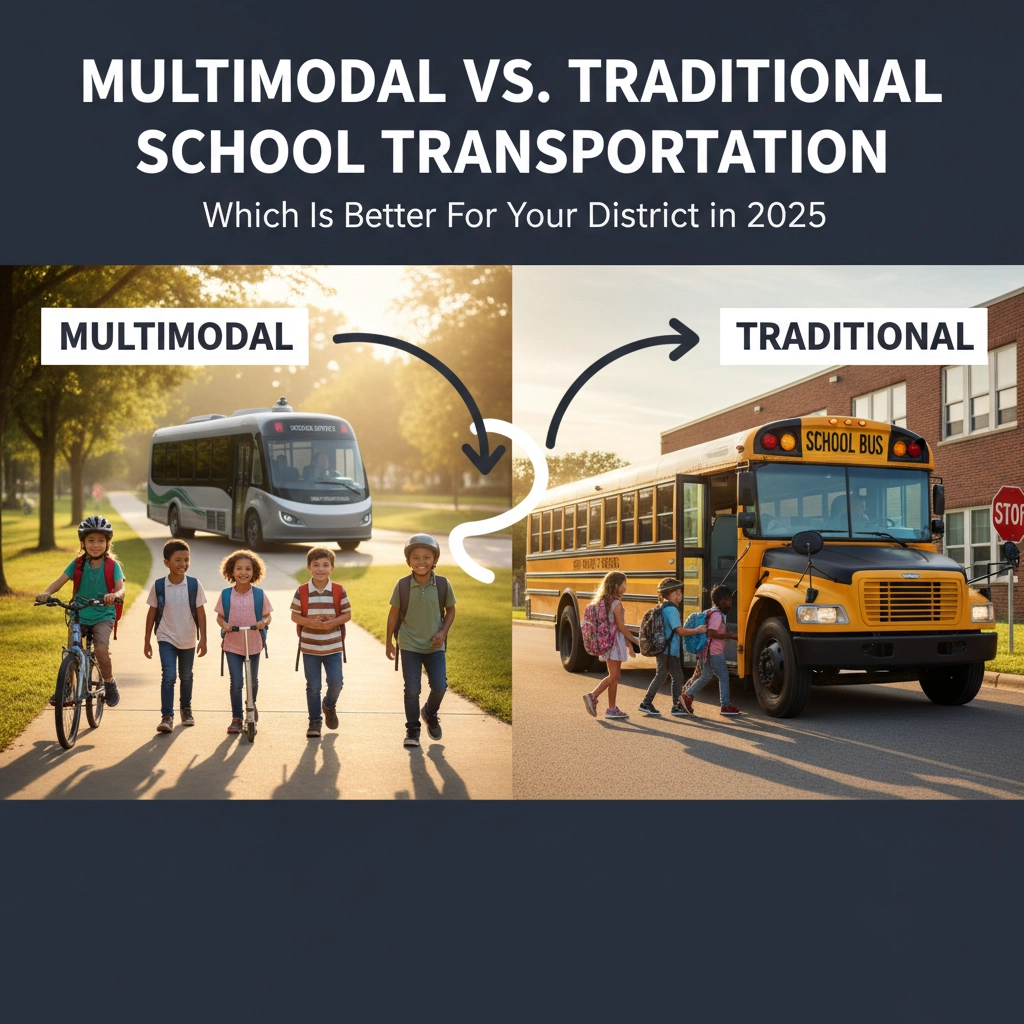
The school transportation landscape is changing fast, and districts across the country are asking tough questions about their approach. With driver shortages hitting 91% of districts nationwide and budgets tighter than ever, the traditional yellow bus model isn't working for everyone anymore.
At Schoolbells Transportation, we've seen firsthand how districts are wrestling with this choice. Some stick with what they know, while others are embracing multimodal approaches that blend buses, public transit, vans, and specialized vehicles. The truth is, there's no one-size-fits-all answer – but there are clear factors that should guide your decision.
Let's break down both options so you can make the right choice for your students and your budget.
Traditional School Transportation: The Yellow Bus Standard
The yellow school bus has been America's go-to solution for getting kids to school safely for decades. It's what most of us grew up with, and there's a reason it's stuck around this long.
The Strengths of Traditional Bus Transportation
Safety First, Always School buses remain one of the safest ways to transport children. They're built to federal safety standards that exceed regular vehicle requirements, with high-backed seats, reinforced construction, and visibility features that protect students. The familiar yellow color and stop-arm system create a protective bubble around the bus that other drivers recognize and respect.
Regulatory Compliance Made Simple Districts know exactly what they're getting with traditional buses. The regulatory framework is well-established, from driver licensing requirements to vehicle inspections. For students with disabilities, buses can be equipped with wheelchairs lifts, specialized seating, and other accommodations required under IDEA mandates.
High Capacity, Proven Efficiency A single bus can transport 50-70 students along a predetermined route. For districts with high student density and predictable ridership patterns, this creates clear economies of scale. You know your costs, your routes, and your capacity needs.
The Challenges Facing Traditional Transportation
The Driver Shortage Crisis Here's the reality: 91% of districts report transportation limitations specifically because they can't find enough qualified bus drivers. The average school bus driver earns about $14.70 per hour, compared to $19.31 for public transit drivers. We're competing for the same pool of CDL holders, and we're often losing.
Limited Flexibility Traditional bus routes are exactly that – traditional. They follow fixed schedules and predetermined stops. When students move, when enrollment shifts, or when housing situations change, the system struggles to adapt quickly. Students experiencing homelessness or housing instability often fall through the cracks.
Budget Pressures Maintaining a full fleet means ongoing costs for fuel, maintenance, insurance, and storage. As districts face funding challenges, these fixed costs become harder to justify, especially for low-ridership routes in rural or underserved areas.
Multimodal Transportation: The Flexible Future
Multimodal transportation isn't just a buzzword – it's a strategic approach that combines different transportation modes to create a comprehensive network tailored to actual student needs.
How Multimodal Systems Work
Instead of relying solely on buses, multimodal systems integrate:
- Traditional school buses for high-density routes
- Public transit partnerships for older students
- Smaller vans for specialized needs
- Alternative transportation providers for unique situations
- Technology platforms to coordinate everything seamlessly
The Multimodal Advantage
Proven Cost Savings Denver Public Schools saved over $500,000 in one school year by implementing multimodal transportation while still serving 30,000 transportation-eligible students. These aren't theoretical savings – they're real budget relief that districts can redirect toward classroom needs.
Scalability Without Major Investment Need more capacity for a growing enrollment area? With multimodal systems, you can partner with existing transportation providers rather than buying new buses and hiring more drivers. Need less capacity due to enrollment decline? You can scale down partnerships rather than selling off expensive fleet assets.
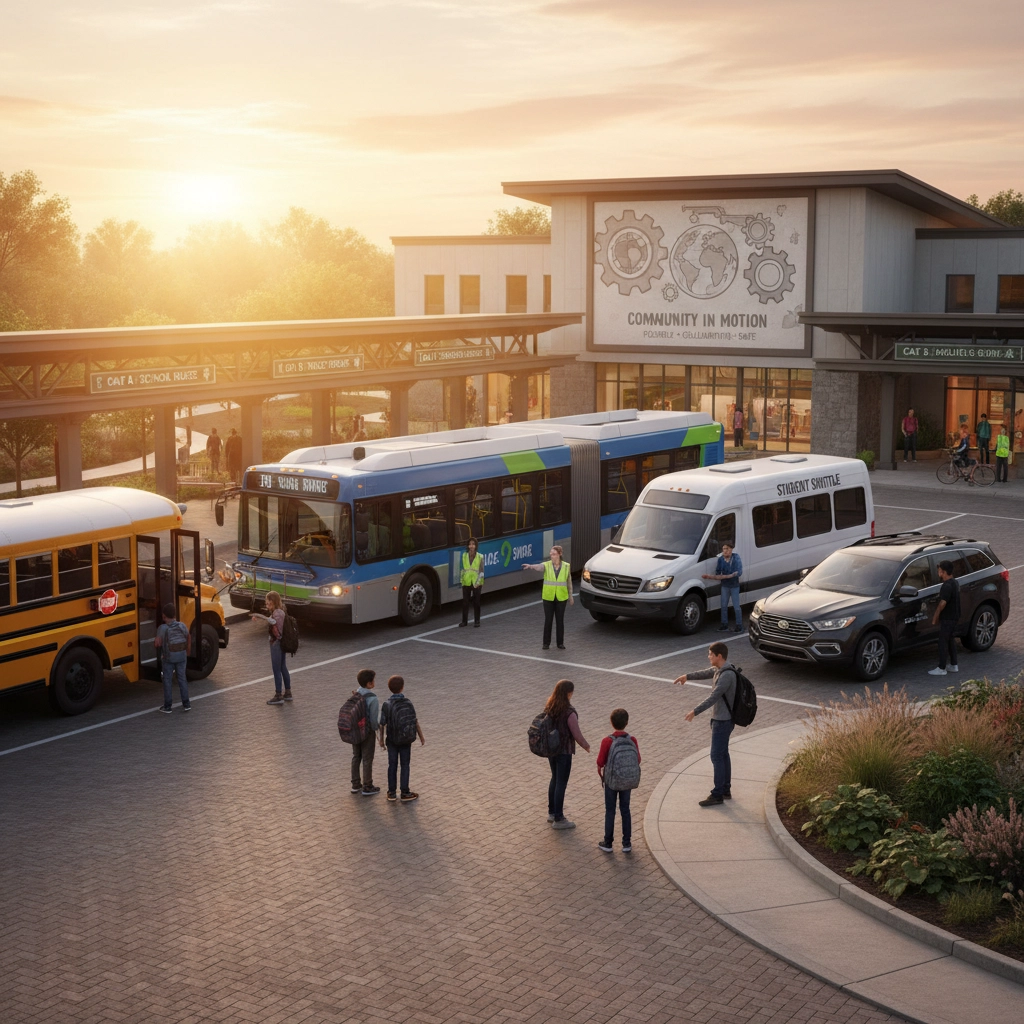
Better Service for Underserved Students Multimodal approaches excel at serving students who don't fit traditional route patterns:
- Students experiencing housing instability who need flexible pickup points
- Students in rural areas where bus routes aren't cost-effective
- Students with specialized medical or behavioral needs requiring smaller vehicles
- Students qualifying for McKinney-Vento assistance who need transportation support
Addressing the Driver Shortage By distributing transportation across multiple providers and modes, districts reduce their dependence on finding and retaining school bus drivers. Public transit systems, private transportation providers, and alternative options help fill the gap.
The Multimodal Challenges
Coordination Complexity Managing multiple transportation providers requires more sophisticated oversight than running a single bus fleet. You need staff who understand logistics, data analysis, and partnership management – not just transportation basics.
Partnership Dependencies Your system's success depends on the reliability of your partners. Public transit delays, private provider issues, or coordination breakdowns can disrupt service for students who depend on these alternatives.
The Bottom Line: Which Approach Wins in 2025?
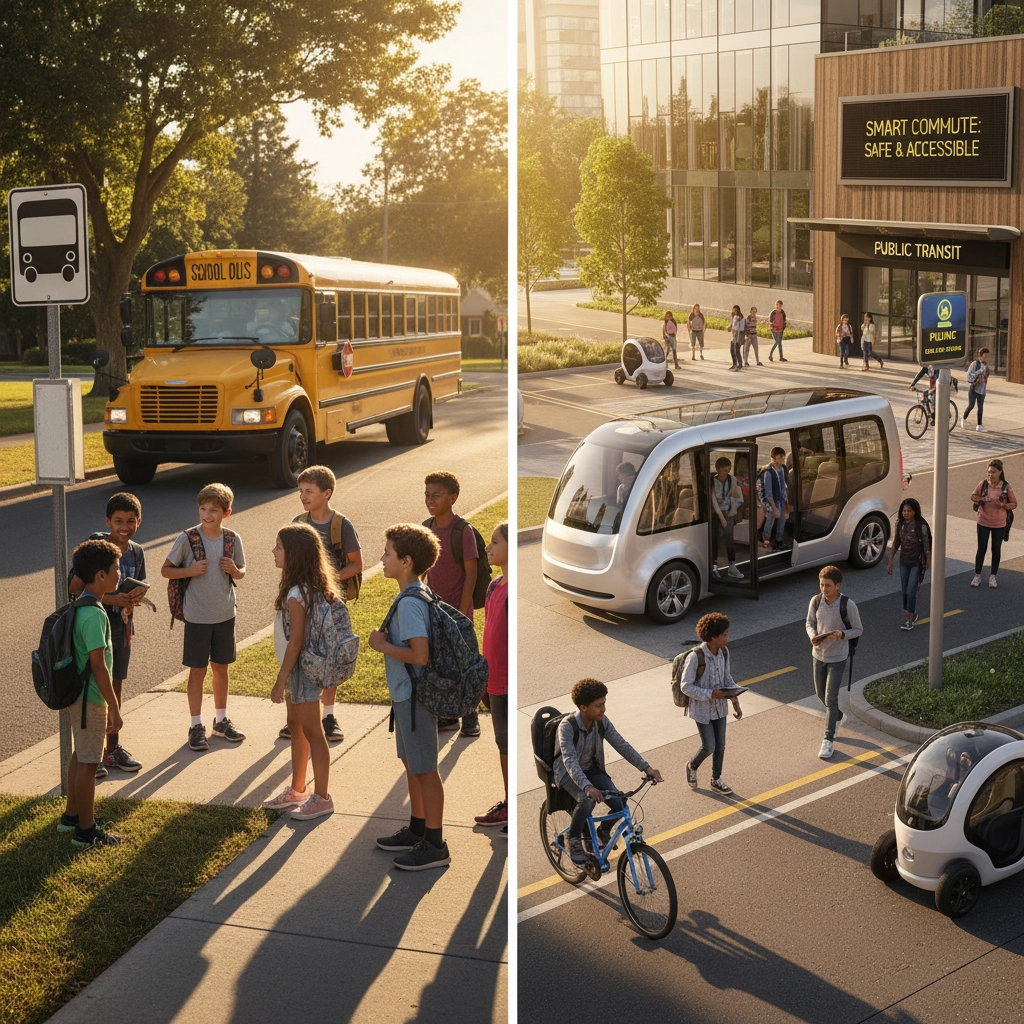
| Factor | Traditional Buses | Multimodal Systems |
|---|---|---|
| Operating Costs | Higher (fleet maintenance, driver wages) | Lower (demonstrated savings of $500K+) |
| Driver Dependency | Complete reliance on bus drivers | Distributed across multiple providers |
| Flexibility | Limited to fixed routes | Highly adaptable to student needs |
| Equity Access | Struggles with underserved areas | Enhanced service for complex cases |
| Implementation | Simple (established systems) | Complex (requires coordination) |
| Scalability | Requires major capital investment | Quick capacity adjustments |
Our Recommendations for Your District
Stick with Traditional If:
- You have stable enrollment and predictable ridership
- Your driver recruitment and retention are solid
- Most students live along high-density routes
- You prefer operational simplicity
Go Multimodal If:
- Driver shortages are limiting your current capacity
- Budget constraints require creative solutions
- You serve students with housing instability or complex needs
- Significant portions of your population are outside traditional routes
- You want to improve equity and access
Consider a Hybrid Approach The most successful districts in 2025 are those combining the best of both worlds. Use traditional buses for your bread-and-butter routes while deploying multimodal solutions for specialized cases, underserved areas, and capacity overflow.
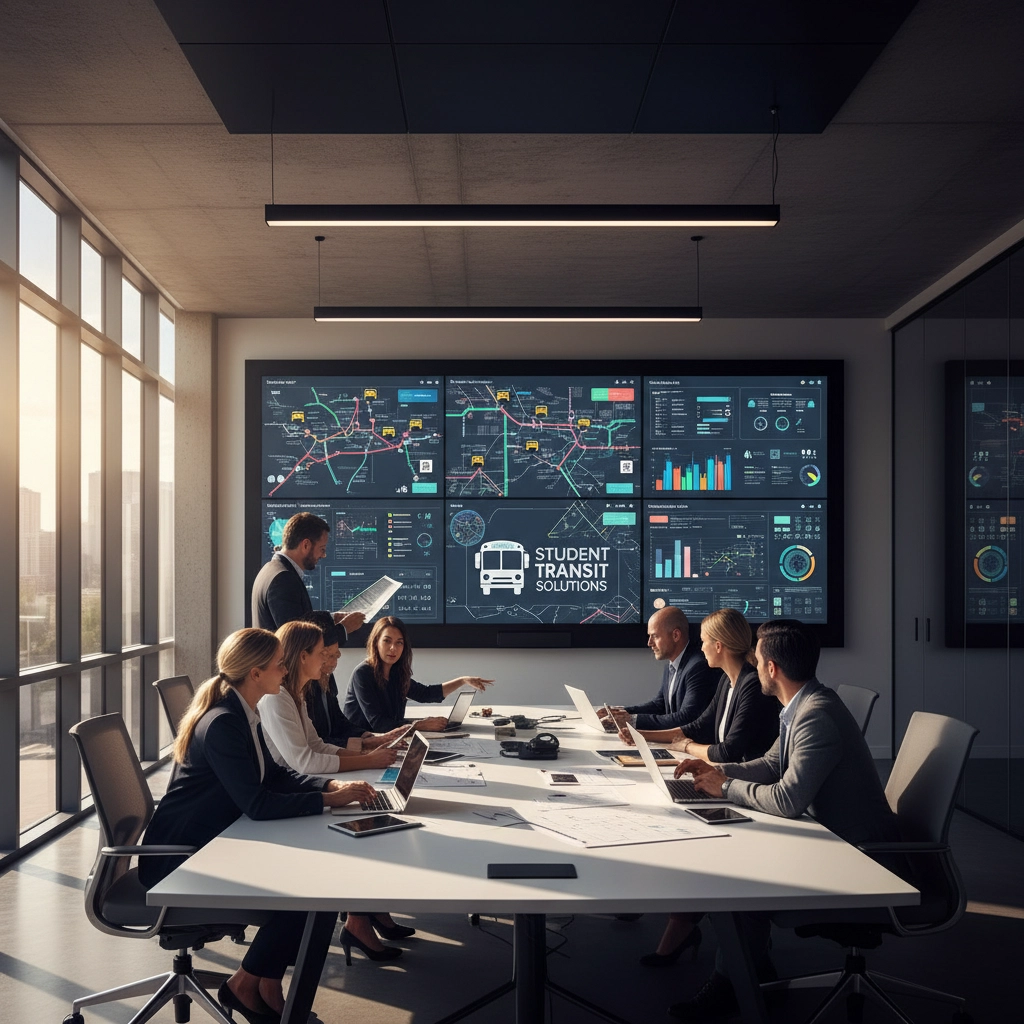
This hybrid strategy lets you maintain proven systems where they work while gaining flexibility where you need it most. Start with pilot programs in specific areas or for particular student populations, then expand based on results and community feedback.
Technology Integration: The Game Changer
Regardless of which approach you choose, technology integration is crucial for 2025 success. Advanced route planning software, real-time tracking systems, and data analytics help optimize both traditional and multimodal systems. Machine learning can identify efficiency opportunities and predict capacity needs, while parent communication apps keep families informed and engaged.
Safety standards are also evolving, with new state legislation requiring enhanced oversight and accountability from all transportation providers – not just traditional bus operators.
Making the Right Choice for Your Students
At Schoolbells Transportation, we believe every student deserves safe, reliable transportation that removes barriers to education rather than creating them. Whether that means traditional buses, multimodal solutions, or a strategic combination depends on your unique circumstances.
The key is approaching this decision with your students' needs at the center. Consider your budget realities, staffing challenges, and community characteristics, but never compromise on safety or reliability. The transportation system you choose should serve as a bridge to educational opportunity, not an obstacle to overcome.
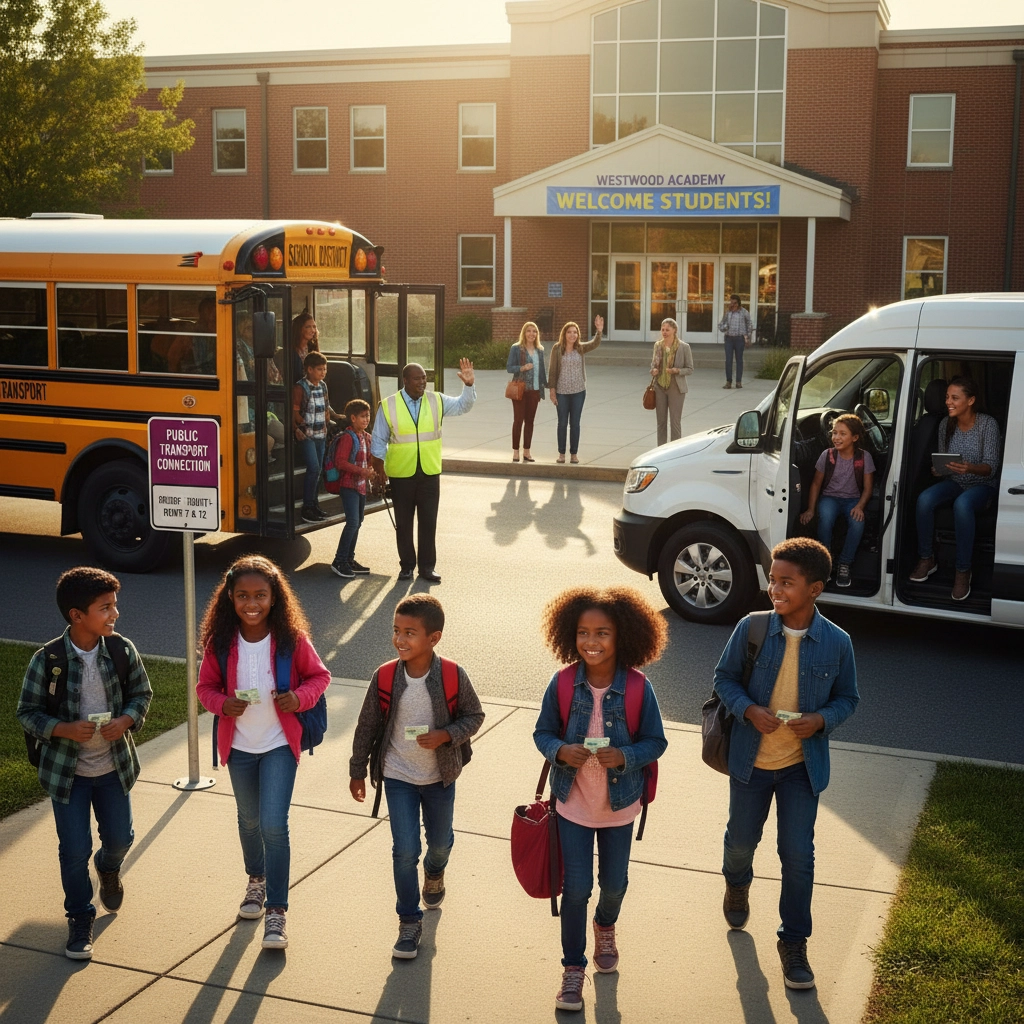
We're here to help you navigate these complex decisions with the expertise and commitment your district deserves. Our team understands both traditional and multimodal approaches, and we can work with you to design solutions that fit your specific needs and budget constraints.
Ready to explore your options? Contact us at Schoolbells Transportation to discuss how we can support your district's transportation goals with safe, reliable, and cost-effective solutions. Let's build a transportation system that works for every student in your community.
For immediate consultation or to book our services online, visit our website or call our team directly. Your students' safety and success are our top priorities – let us show you how the right transportation approach can make all the difference.



No comments:
Post a Comment